*** This post may contain affiliate links. That means we may make a small commission on items purchased through links in this post at no extra cost to you! Thank you for your continued support ♡
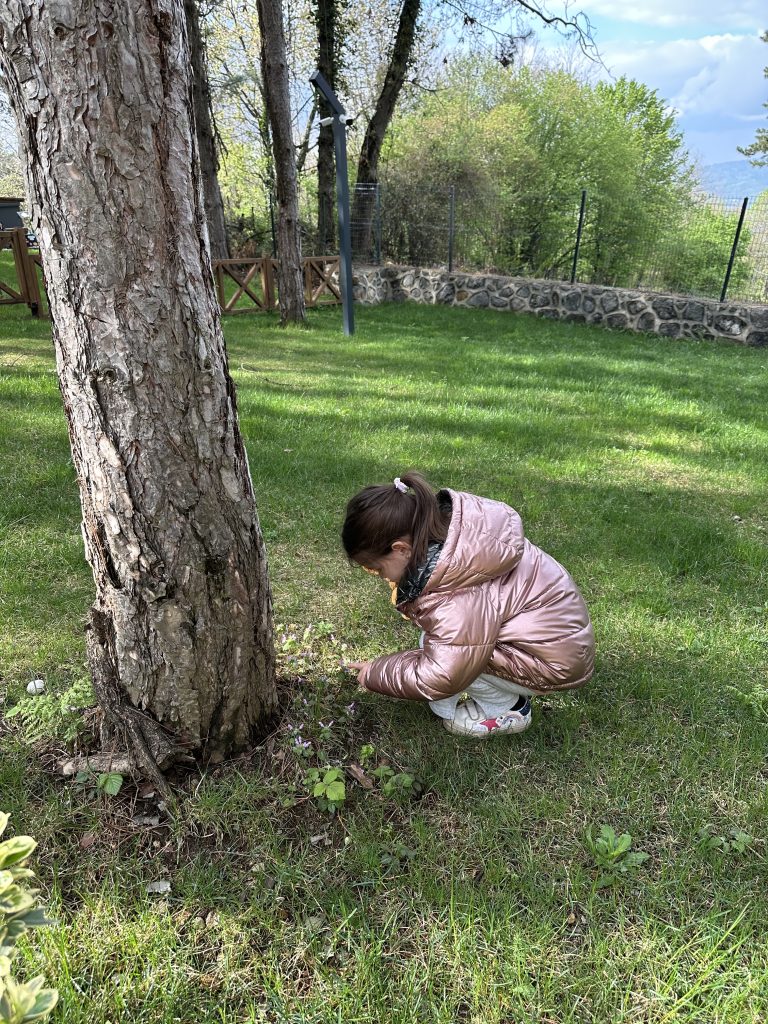
Spring is here! The perfect season for adventure, discovery, and connecting with the natural world. With flowers blooming, insects buzzing, and birds returning, the outdoors becomes a living classroom for curious little minds!
One of the easiest and most exciting(!) ways to spark your little ones’ interest in nature is to put together their very own Nature Explorer Kit—a simple but intentional collection of tools that encourage observation, discovery, and connection to the natural world.
You most likely already have a few of the items of this list, but if you are just getting started there are a number of good explorer kit options on the market. We use a little backpack that we’ve had for a while and customized our kit to fit our Montessori approach to learning. I keep our backpack always ready to go on my daughter’s entryway/exit station so we can always quickly grab it on the way out.
Children are natural-born scientists. An intentional explorer kit empowers them to follow their curiosity, ask questions, and investigate the world around them at their own pace. It’s also a beautiful way to support learning, language development, and mindfulness.
So here are 8 must-haves for your littles’ Nature Explorer Kit! Plus 2 bonus items at the end that we also love!
Small enough to take anywhere, a pocket microscope lets your child zoom in on textures and patterns they can’t see with their eyes alone—like the veins in a leaf or the fuzzy legs of a bee. It brings science to life in the most hands-on, awe-inspiring way!
This is your child’s treasure pouch for collecting leaves, feathers, rocks, acorns, and other nature finds. It gives them a sense of responsibility and excitement about what they might discover and they can take the items home for further exploration and study.
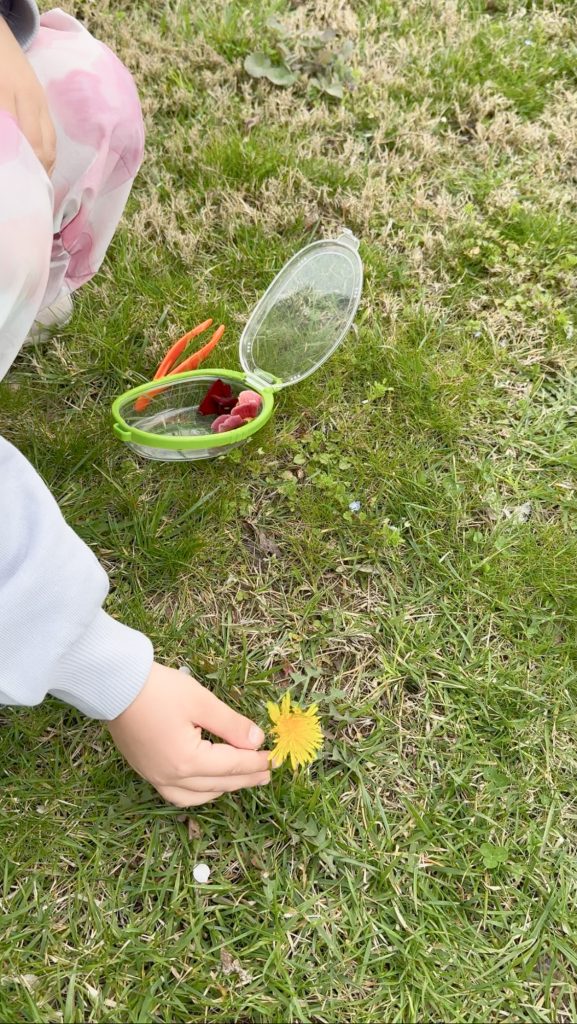
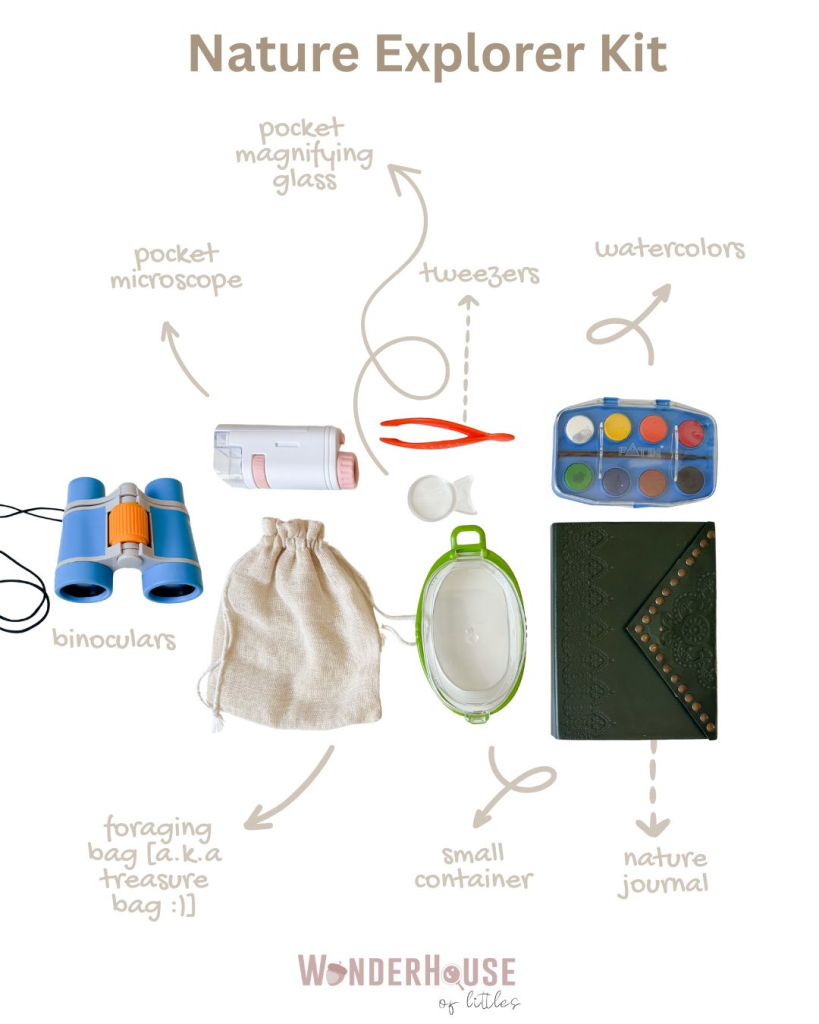
A clear container with a lid is perfect for storing specimens like flowers or seeds, or temporarily store insects for observation (before putting them back in their homes). The clear sides allow them to examine their finds from every angle.
Child-friendly tweezers are great for picking up delicate items like seed pods or tiny flowers to be placed in the clear container, building fine motor skills in the process.
Binoculars allow children to spot birds, squirrels, treetops, or faraway hills. They teach kids to slow down, observe carefully, and appreciate nature’s tiniest (and tallest!) wonders.
Simple and classic, a magnifying glass lets children see the world up close—bark textures, bug trails, moss, or even the sparkle of tiny crystals in a rock.
A nature journal gives your child a space to draw, write, and reflect on what they observe. They can record what they find, sketch interesting leaves or insects, or even write stories about their discoveries. Over time, this becomes a personal record of their adventures. Journaling also helps children slow down, process experiences, and build a lasting connection to nature.
Include a few writing, drawing, or coloring materials such as a pencil and a small set of colored pencils, crayons, or watercolors. This lets them write down or draw their observations while encouraging moments of mindfulness and concentration in nature. If your little one loves to paint, this watercolor pad makes for the perfect little nature journal.
Keep these in mind for special occasions or evening walks.
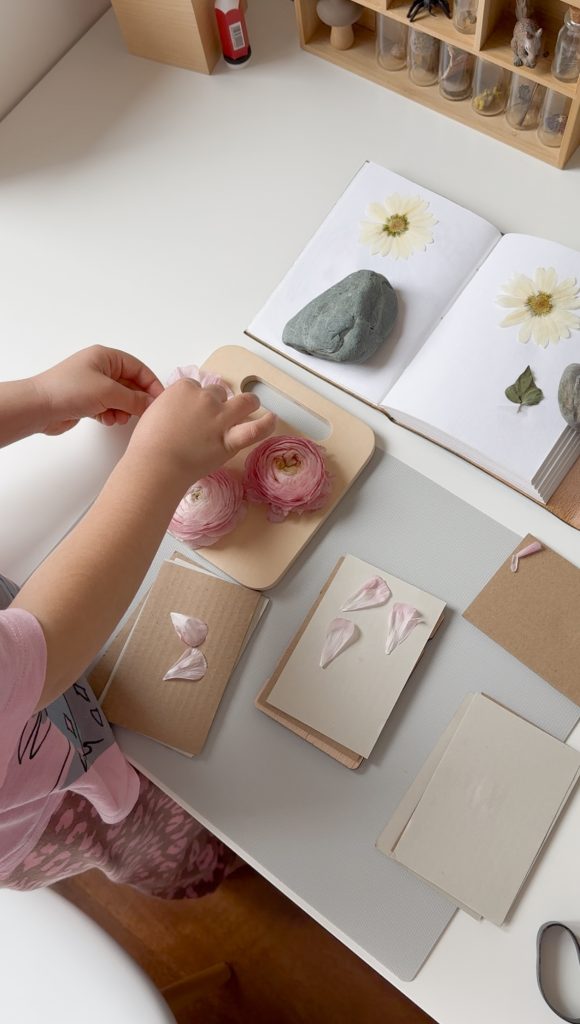
A pocket-sized flower press lets your child preserve their favorite blooms or leaves they find on walks. Pressed flowers make beautiful keepsakes to use in crafts, journaling, or seasonal nature studies.
A child-sized flashlight is perfect for shadowy corners, to investigate under logs, or for early-evening walks.
Giving your child actual tools to explore nature makes space for wonder, storytelling, and deep connection. It encourages them to ask questions, take ownership of their learning, and develop a sense of stewardship for the Earth.
Have these items accessible in a small backpack near the door and watch how even a quick walk becomes an exciting adventure for your little one(s)!
Remember to allow your child to lead their nature discoveries. Let them decide what they want to collect, what draws their attention, and how they use their tools.
If you must, you can prompt their curiosity with simple questions:
•“What do you think made those marks?”
•“I wonder what this leaf looks like up close using the magnifying glass.”
•“What bird do you think this feather belongs to?”
When you slow down and explore nature alongside your little one, you’re not just making memories — you’re planting the seeds for a lifelong love of the natural world and the joy of shared discovery.
Happy Exploring!
COPYRIGHT © 2023 WONDERHOUSE OF LITTLES LLC. ALL RIGHTS RESERVED

Leave a Reply